
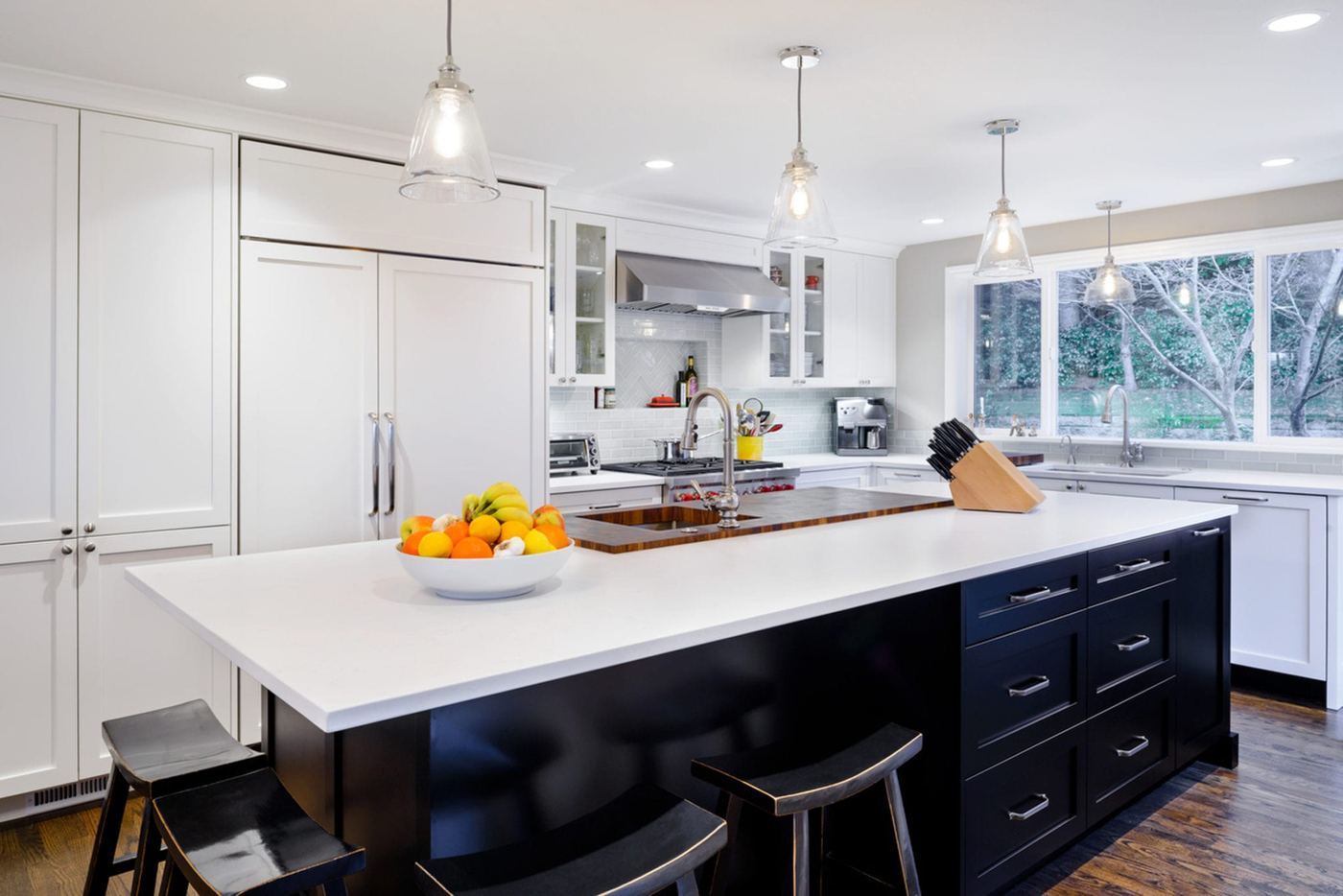
Seattle's neighborhoods are full of craftsman bungalows, Tudor revivals, and mid-century homes with real architectural character — and homeowners who love that character often worry that modernizing means erasing it. It doesn't have to. The best updates read as a natural evolution of the house, not a departure from it.
Study the house before you change it
Before drawing anything, our design team spends real time understanding what makes a home's original character work: proportion, trim details, window patterns, the relationship between rooms. Once you understand the logic of the original design, it becomes much easier to update the house in a way that respects that logic rather than fighting it.
Match new work to original materials and proportions
This doesn't mean using identical materials everywhere — it means understanding scale and proportion so new elements feel native to the house. A new window should echo the size and rhythm of the originals even if the glazing and performance are entirely modern. New trim should match the reveal and profile logic of existing millwork, even where the design is simplified.
Open up carefully, not indiscriminately
Many older Seattle homes have compartmentalized floor plans that don't suit how people live today. Opening walls for better flow is often the right call — but it should be done selectively, preserving key character-defining rooms and features rather than defaulting to one big open box.
Modern systems, invisible upgrades
Electrical, plumbing, insulation, and HVAC in a character home almost always need real work behind the walls. This is where you can modernize aggressively without touching the visible character of the home at all — and it's often the single highest-value, least-visible investment you can make.
Bring in a team that respects the house
The right design-build partner treats your home's original character as an asset to work with, not an obstacle to design around. That mindset shows up in every decision, from window selection to trim details to how the new work is sequenced against the old.